kW vs kWh, in one line
kW is the size of the engine; kWh is what it actually produces (or stores). A 10.5 kW system in SEQ makes roughly 44 kWh a day; a 13.5 kWh battery holds about an evening’s worth.
Solar and battery systems designed around your actual usage — with the savings, payback and rebates put in writing before you spend a cent.
The savings calculator
Drag through a day to watch where your power would come from — then check the numbers underneath. Three questions, honest maths, no email required.
1:30 pm Panels running the home and charging the battery.
Sized for you: 10.5 kW solar + 13.5 kWh battery — $17,900 installed
Includes the federal battery rebate: −$3,400 (steps down again within 6 months)
10-year position: +$9,300 ahead
SEQ solar yield ~4.2 kWh per kW per day · grid power ~33c/kWh · feed-in ~5c/kWh · daily supply charge ~$1.05 · battery rebate ~$252 per usable kWh (first 14 kWh). Your usage is estimated from the bill you set above; “Add a battery” assumes an existing 6.6 kW system. A formal quote models your actual twelve months of smart-meter data.
Indicative only — real quotes are modelled on your smart-meter data, roof and switchboard, and we put the numbers in writing.
Solar, minus the jargon
kW is the size of the engine; kWh is what it actually produces (or stores). A 10.5 kW system in SEQ makes roughly 44 kWh a day; a 13.5 kWh battery holds about an evening’s worth.
Exports earn ~5c a kWh; evening grid power costs ~33c. The money is no longer in selling solar — it’s in using your own. That’s why systems are now sized to your usage, and why batteries suddenly make sense.
The federal Cheaper Home Batteries program knocks roughly 30% off an installed battery — about $252 per usable kWh on the first 14 kWh. It steps down every six months until 2030. We do the paperwork; the discount comes off your quote.
Next step-down: under 6 months awayA well-sized solar system in SEQ pays for itself in 3–5 years; solar + battery in 5–8. Anyone promising two years is guessing with your money. We model payback from your meter data and put it in writing.

Solar systems
We design from twelve months of your actual usage — panel count, orientation and inverter chosen to kill the bill you really have, not the one on a brochure. Tier-1 panels, 25-year performance warranty, and the payback modelled in writing before you sign.
Home batteries
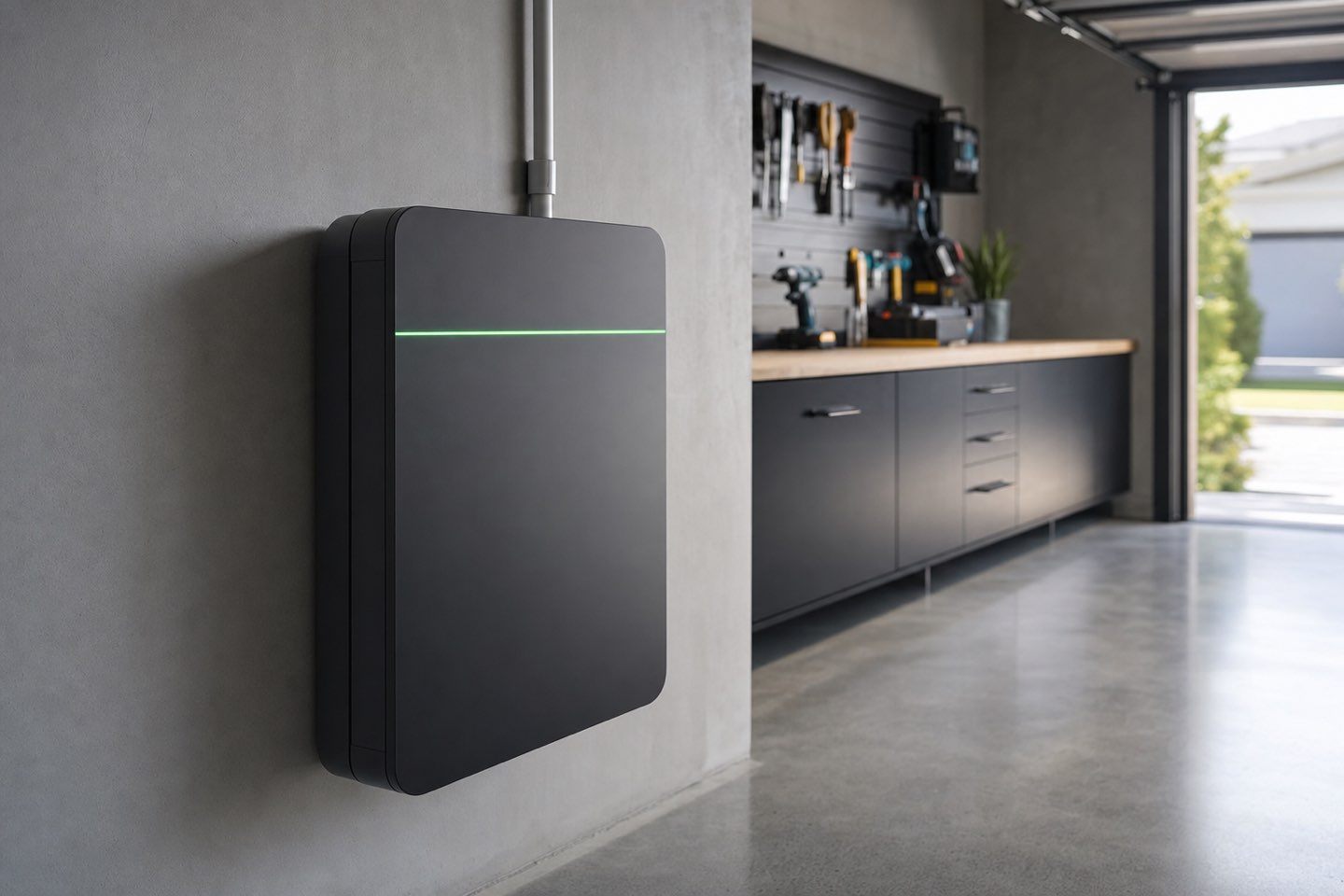
A feed-in tariff pays cents; the evening grid charges dollars. A battery moves your solar from the day you make it to the night you use it — and the federal rebate currently covers about 30% of the cost. It steps down every six months, so the maths favours moving early.

EV charging
A home charger installed on a solar-aware circuit charges when your panels are exporting — so the daily commute costs cents, not servo prices. Wired clean, metered separately, and ready for whatever you drive next.
A five-figure decision deserves a calm, documented process. Here's exactly what happens.
We pull twelve months of your smart-meter data (or read your bills) and look at your actual roof on satellite — no ladder, no sales visit.
A fixed, itemised quote with the modelled annual saving, payback and rebates on page one. No pressure, no expiring "deals".
Our own CEC-accredited crews — most homes are done in a single day, tested, cleaned up and switched on.
We lodge the STC and battery-rebate paperwork and set up your monitoring app. You watch the first bill shrink; we check in at 90 days.
A big-ticket decision should come with the risk taken out. This is standard, not an upgrade.
Certainty
Hardware
Aftercare
Real words from SEQ homes running on their own roofs.
“They modelled $2,600 a year in savings from our smart-meter data. Twelve months in we’re at $2,740. First company that under-promised.”
“Our last bill was $38. It used to be over $400. The app is dangerously addictive — I check the battery like it’s the cricket score.”
“Three quotes, and Solstice was the only one that asked for our usage data before naming a price. That told me everything.”
“Storm took the street out for six hours — our lights stayed on. The battery backup alone was worth it.”
“Install crew were their own people, not subbies. Done by 2pm, roof spotless, and they walked me through the rebate paperwork they’d already filed.”
“The payback estimate was 4.8 years in writing. On our current bills it’s tracking at 4.5. Can’t argue with the numbers.”
Most are. We check orientation, pitch, shading and switchboard capacity from satellite imagery and photos before anyone climbs a ladder — and if solar genuinely doesn’t stack up on your roof, we’ll tell you that in writing too.
It’s an honest indicative model — SEQ sun-hours, current usage and feed-in rates, today’s rebate. Your formal quote is modelled on your twelve months of smart-meter data, which is why the number we put in writing is one we’ll stand behind.
Roughly 30% off the installed cost of a CEC-approved battery between 5 and 100 kWh — about $252 per usable kWh on the first 14 kWh. It applies at the point of sale (we lodge it; you never front the money) and it steps down every six months until 2030.
Yes — every battery we install gets a backup circuit covering the essentials (fridge, lights, internet, a few power points). The switchover is automatic and takes a fraction of a second.
Panels still generate 30–60% in overcast weather, the battery buffers the evenings, and the grid is always there as the fallback. The model on your quote uses real Bureau weather-year data, cloudy weeks included.
Free assessment
Tell us what you're weighing up and we'll model it on your real usage — savings, payback and rebates on page one of the quote. No pressure, no expiring “deals”, no drone salesmen on your roof.